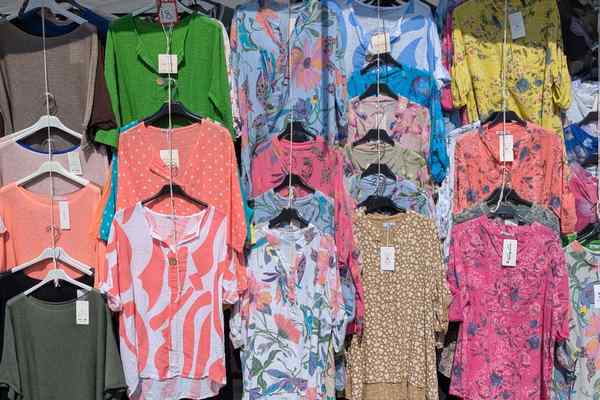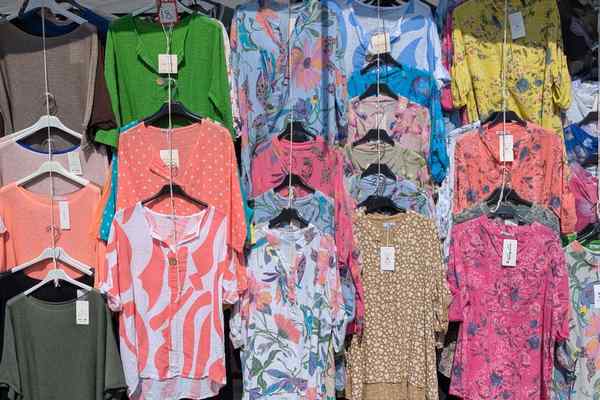
Spring colour trends in the UK are easiest to enjoy when you treat them as additions to your wardrobe, not reasons to replace it. A bright jumper can lift your navy trousers. A pink shirt can freshen up a charcoal coat. Even on a grey March morning, one carefully chosen shade can make familiar clothes feel new.
Spring/summer 2026 fashion featured confident brights alongside quiet neutrals. Pantone’s London Fashion Week report balanced lively colours with grounded shades, while runway coverage highlighted citrus yellow, tomato red, purple and creamy white. The useful question isn’t which colour is officially fashionable. It’s which one works with your clothes, your routine and Britain’s changeable weather.
The spring shades worth knowing
Butter yellow and citrus tones
Yellow has two appealing moods. Butter yellow is soft enough to wear almost like cream, especially in cardigans and cotton shirts. Citrus yellow feels sharper and more playful: think a bright bag, fine-knit top or simple dress.
Try a pale-yellow cardigan with mid-blue jeans and off-white trainers. If you prefer the punchier version, keep the rest restrained. A citrus scarf against a navy trench coat adds energy without dominating the outfit.
Powder blue and vivid cobalt
Blue works particularly well with the denim, grey and navy found in many UK wardrobes. Powder or icy blue creates a delicate seasonal colour palette, while vivid cobalt gives tailoring extra impact.
Wear a pale-blue shirt with stone trousers for work, or a cobalt jumper over a white T-shirt at the weekend. One strong blue piece is often enough. You don’t need matching shoes and a bag to make it look intentional.
Tomato red and fresh pink
Red hasn’t disappeared with winter. A warmer tomato shade looks lively beside cream, tan or faded denim. Pink spans gentle blush to striking fuchsia, leaving plenty of room for different tastes.
A blush shirt under a black blazer looks crisp rather than overly sweet. Alternatively, tomato-red flats can brighten an everyday jeans-and-jacket combination. These spring outfit colours offer an update without demanding a new wardrobe.
Lime and emerald green
Green has two distinct directions. Lime or chartreuse feels playful and works well as a scarf or small accessory. Emerald has more depth and can look elegant in a blouse, midi skirt or structured jacket.
Pair either with ecru, brown, navy or sandy beige. An emerald top with cream trousers feels polished; a lime vest beneath a chocolate cardigan brings a little surprise to an otherwise neutral look.
Lilac and rich violet
Purple is useful when pink seems too sweet and blue too familiar. Lilac sits comfortably beside grey, off-white and denim. Rich violet makes a stronger statement alongside charcoal or black.
If you’re unsure, begin with a lilac fine-knit jumper instead of a statement coat. For bolder dressing, a violet blouse under a charcoal suit gives office tailoring an unexpected but wearable accent.
Cream, beige and chocolate brown
Neutrals are part of the spring fashion colours story too. Creamy off-white, beige and brown give saturated shades somewhere to settle. Pantone’s London spring/summer 2026 palette included Angora, White Onyx and Chocolate Truffle, showing that a seasonal wardrobe needn’t be filled with pastels.
Choose off-white if stark white doesn’t appeal, or chocolate brown if black feels heavy alongside lighter fabrics. Cream trousers and a yellow cardigan can look unmistakably springlike without being loud.
Make one new colour work with what you own
Start with a five-minute wardrobe check. Pull out the trousers, coats and shoes you wear most. Notice which neutrals repeat. Navy and denim suggest one set of combinations; black and grey suggest another. This is a better starting point than shopping from a list of UK colour trends.
Imagine you already own dark jeans, beige trousers, a navy raincoat and white trainers. One powder-blue jumper works with jeans for Saturday errands, with beige trousers for a casual office day, and under your raincoat during a damp commute. That’s three outfits from one addition.
Accessories offer an even smaller commitment. A red bag, lilac scarf or yellow belt can move between outfits. Compare colours in natural daylight when possible, since shop lighting can make pale shades appear warmer or cooler.
Before buying, ask yourself whether the item works with at least three things you already have. Thinking about capsule wardrobe essentials helps you make purchases you’ll keep wearing after the first warm weekend.
Colour combinations for a British spring
The runway might inspire UK colour trends, but spring dressing here still needs layers. Sunshine can turn into rain before lunchtime. Put the fresh shade somewhere visible when your coat comes off, and build the practical outer layers around it.
For milder days, try powder blue with stone, tomato red with cream, or lilac with charcoal. For chilly mornings, combine emerald with dark denim, butter yellow with navy, or fuchsia with chocolate brown. These combinations balance interest with familiar pieces.
Fabric changes the effect too. A vivid colour in a heavy winter jumper may feel out of season, while the same shade in cotton or a finer knit feels lighter. You needn’t abandon dark trousers in March: a pink shirt and lightweight jacket can make them feel entirely appropriate.
If you often struggle to dress for fluctuating temperatures, a spring layering guide can help you adjust warmth without changing your preferred colour combination.
Choose a shade that suits your style
There’s no need to wear every trend near your face. If yellow doesn’t appeal as a top, choose yellow trainers. If pale blue feels too delicate, try saturated cobalt instead. Comfort, fit and your existing clothes matter more than following a prescribed palette.
Experiment at home before spending anything. Lay out two everyday outfits, replace one neutral item with something colourful, and photograph each combination in daylight. You’ll quickly see whether you enjoy the contrast. Exploring everyday colour combinations can give you more ideas without encouraging unnecessary shopping.
FAQs about spring colour trends in the UK
What colours are fashionable for spring in the UK?
Recent spring collections have featured butter and citrus yellow, pale and cobalt blue, tomato red, pink, lime, emerald, purple and creamy neutrals. Choose the ones that complement pieces you already wear.
Can I wear dark colours in spring?
Absolutely. Navy, charcoal, brown and black provide useful foundations. Add a brighter shirt, lighter fabric or colourful accessory to shift the overall feel towards spring.
Which spring colours are easiest to style?
Powder blue, soft pink and butter yellow are approachable with denim, cream and navy. Tomato red is an excellent choice if you prefer one stronger accent.
How can I try spring colours on a budget?
Restyle a colourful item you own, explore second-hand options or start with one accessory. Apply the three-outfit test before buying something new.
A fresh wardrobe starts with one colour choice
There’s no prize for wearing every shade that appears on a catwalk. The most satisfying way to use spring colour trends in the UK is to find one shade that makes reliable clothes feel renewed. A powder-blue knit, emerald blouse or red accessory may be all you need to make this season’s outfits feel distinctly yours.