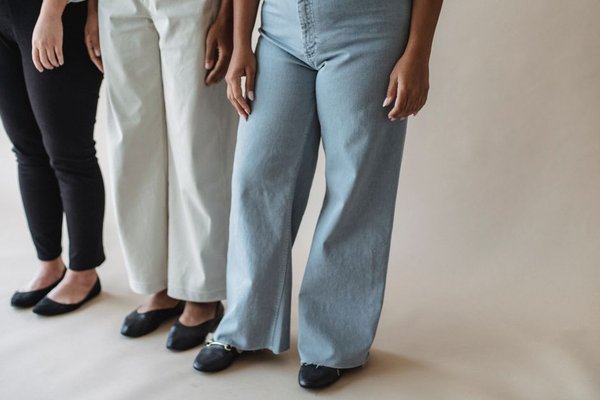
Getting dressed for work should not mean choosing between looking polished and feeling comfortable. The best plus-size workwear in the UK starts with clothes that fit your body, suit your workplace and can handle commuting, sitting, meetings and changing temperatures. A useful work wardrobe is less about owning dozens of outfits and more about having dependable pieces that combine easily.
For many offices, the sweet spot is between traditional tailoring and smart casual. That gives you room to use relaxed trousers, soft blazers, knitwear, midi dresses and practical shoes without losing a professional finish. The key is to build outfits around fit, proportion and repeatability rather than a rigid idea of what office clothes should look like.
Start with fit before trends
A garment can be beautifully designed and still feel wrong if it pulls across the bust, digs into the waist or rides up when you sit. When trying on curve workwear, test it in the positions you actually use during the day. Sit in the trousers, reach forward in the blazer and walk around in the skirt. If a piece only looks good while you are standing still, it is unlikely to become a favourite.
Pay attention to shoulder seams, waist placement and trouser rise. A blazer that fits cleanly across the shoulders can sharpen an outfit, while a higher-rise trouser may feel more secure for long periods. Stretch can help, but it should support the fit rather than compensate for a cut that is too small.
Build reliable office separates
Choose a compact group of pieces that work together. Two pairs of trousers, a few comfortable tops, a cardigan or fine knit and one structured layer can create several plus size office outfits without making your wardrobe feel repetitive.
Black, navy, charcoal, chocolate and stone are easy foundations, but they do not need to dominate everything. A berry blouse, green knit or patterned shirt can add personality while still pairing with several bottoms. If your office is relaxed, dark denim with a clean finish may also work with smarter layers.
Use a simple three-piece formula
One practical formula is a base, a bottom and a finishing layer. Try a soft jersey top with tailored wide-leg trousers and an unstructured blazer. On another day, keep the same trousers and switch to a fine-knit jumper and longline cardigan. The repetition is useful because you already know the proportions work. An internal guide on office capsule wardrobes would fit naturally alongside this approach.
Make smart-casual layers work harder
British offices can involve cold commutes, warm trains and unpredictable indoor temperatures, so layers matter. Soft tailoring looks intentional without feeling restrictive. Look for blazers with room through the upper arms and back, or choose collarless jackets, knitted blazers and longer cardigans when conventional tailoring feels too rigid.
For plus size business casual UK outfits, a knitted layer can be just as useful as a jacket. A fine-gauge cardigan works with trousers and skirts, while a longer knit can sit neatly over a dress. Keep the fabric smooth and in good condition so the result reads as office-ready rather than weekend casual.
Choose dresses that survive a real working day
Dresses can simplify outfit planning because the main look is handled by one garment. Wrap-style, shirt and softly tailored midi dresses are useful options, but the best shape is the one that stays comfortable when you sit and move. Check where the waist lands and whether buttons gape when you are seated.
A practical test is to wear a new dress at home for half an hour before removing the tags. Sit at a desk, climb a flight of stairs and put on the coat you normally commute in. This quickly reveals whether the hem rides up, the sleeves restrict movement or the fabric creases more than expected.
Balance polish with comfort
For long office days, fabric and construction matter as much as silhouette. Trousers with a little stretch, a stable waistband and enough room through the hips and thighs are often easier to wear for several hours. Wide-leg styles can look polished with a tucked or semi-tucked top, while straight-leg trousers work easily with loafers, flats or ankle boots.
With skirts, make sure the waistband does not twist and the lining does not cling. Midi lengths are versatile because they pair well with shirts, knits, blazers and tights. A guide to comfortable work shoes would be another internal link from this section.
Plan a working week with fewer pieces
A practical Monday-to-Friday rotation might use navy trousers twice, black trousers twice and a midi dress once. Change the tops, layers and shoes so each day feels distinct. Monday could be navy trousers with a cream knit and blazer; Tuesday the dress with ankle boots; Wednesday black trousers with a patterned blouse; Thursday navy trousers with a jersey top and cardigan; Friday black trousers with a relaxed shirt and loafers.
This kind of repeat dressing makes plus size professional outfits easier to manage because every purchase has to earn its place. Before buying something new, ask whether it works with at least two pieces you already own. If it only creates one outfit, it may not be the most useful addition. A guide to building a smart-casual work wardrobe would also be a natural companion to this approach.
FAQ
What should I wear to a UK office if the dress code is smart casual?
Start with polished separates such as tailored trousers, a blouse or fine knit, and a blazer, cardigan or smart jacket. Loafers, flats, ankle boots and clean minimal trainers may work depending on the office. If you are unsure, begin slightly smarter and adjust once you see what colleagues typically wear.
How can I make plus-size workwear more comfortable?
Prioritise fit through the shoulders, waist, hips and upper arms, and choose fabrics that allow movement. Test garments while sitting and walking, not only while standing in a fitting room. Comfortable shoes and removable layers also make a noticeable difference.
Do plus-size office outfits need to be dark or neutral?
No. Neutrals are useful because they make outfit planning easier, but colour and print can work perfectly well in professional clothing. A bright blouse, coloured knit or patterned dress can still look polished when the fit and styling suit your workplace.
How many workwear pieces do I need to get started?
Two bottoms, three tops, one dress and two layers can already produce several combinations, especially when the colours and shapes work together. Start small, notice what you actually wear, then fill genuine gaps rather than buying a complete wardrobe at once.
Make workwear do the work
The strongest plus-size workwear ideas for UK offices are not based on hiding your shape or following strict fashion rules. They are built around clothes that fit, move well, suit the dress code and combine without effort. Focus on a dependable foundation, then add colour, print and personal details in ways that feel natural to you.
When every piece has a clear role, getting dressed becomes faster and more predictable. Good workwear should help you feel comfortable, prepared and appropriately polished without turning the start of every working day into a styling problem.