A skirt can sit beautifully on one person and feel completely different on another, even when both wear the same UK size. The difference often comes down to three details: where the waistband sits, how the fabric moves over the hips, and where the hem finishes. Understanding those details is more useful than following rigid rules about body types.
When choosing the best skirts for body shape, decide what you want your outfit to do. Perhaps you enjoy a defined waist, prefer a relaxed fit around your middle, or want a skirt that works with flat shoes. Those preferences matter more than any label.
Understand proportions before choosing a skirt
Descriptions such as pear, hourglass, rectangle and inverted triangle are convenient shorthand, not strict categories. Many people fit more than one description. Height, torso length and individual measurements also affect how clothes hang.
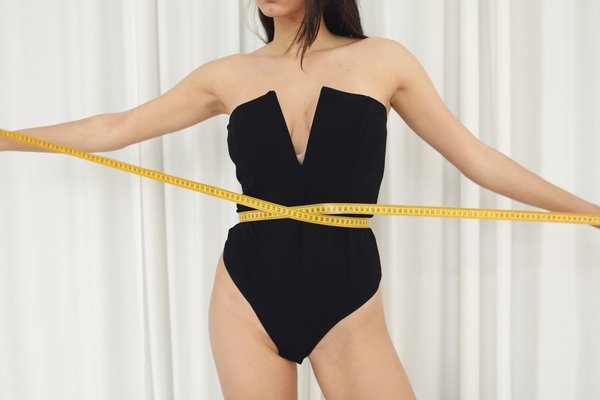
First, notice your natural waist and where a comfortable waistband sits. Next, consider whether you want fabric to skim, follow or flare away from your hips. Finally, check the hem against your actual leg length. A guide to measuring your waist and hips can help when navigating inconsistent brand sizing.
How the main skirt shapes change your outline
A-line skirts: gentle flare and easy movement
An A-line skirt fits relatively closely near the waist and widens towards the hem. It gives the hips room without requiring a close fit, making it a versatile option for many proportions. A modest flare adds shape without looking particularly full. When comparing an A-line skirt body shape, remember that stiff denim holds its flare while soft viscose drapes closer to the body.
Pencil skirts: a defined, streamlined shape
A pencil skirt follows the waist and hips, often narrowing towards the knee. It can highlight curves or create a sharp, tailored line. Good pencil skirt fit matters more than size labels: look for smooth fabric across the hips, a level waistband and enough room to walk comfortably. Stretch fabric and a back vent can help.
Bias-cut skirts: soft drape rather than structure
Bias-cut skirts use fabric cut diagonally across the grain, allowing many woven materials to fall with a fluid, body-skimming shape. They offer movement without the structured flare of an A-line skirt. Fabric weight matters: lightweight satin may show underwear lines, while heavier crepe can hang more smoothly. Try another fabric or size if the skirt catches around your hips.
Wrap and pleated skirts: adjustable fit or extra volume
A wrap skirt can adapt to slight changes at the waist, but check that its overlap stays secure while walking and sitting. Pleated skirts create deliberate volume; stitched-down pleats often lie smoother near the hips than folds that open directly from the waistband.
Skirts for different body types
Pear-shaped proportions
If your hips are fuller than your upper body, an A-line or softly draped skirt can provide comfortable hip room while defining your waist. Bias-cut styles can also work well. Prefer a pencil skirt? Choose the size that fits your hips, then consider tailoring the waist if it gaps.
Inverted-triangle proportions
If your shoulders or bust appear broader than your hips, flared and pleated skirts can add visual volume to the lower half, creating a more balanced outline if that appeals to you. A simple straight skirt is another option when you prefer a sleek silhouette.
Rectangle-shaped proportions
If your waist and hips have relatively little difference in width, a wrap skirt or fitted-waist A-line can introduce visible definition. A straight column skirt offers a different, deliberately minimal look. Neither approach is more correct; it depends on the shape you enjoy wearing.
Hourglass proportions
A defined waist with relatively balanced bust and hips can work particularly well with pencil, bias-cut and shaped A-line skirts. The challenge is sometimes sizing rather than style. If a skirt fits the hips but gaps at the waist, a small alteration may improve it more than sizing down.
Fuller middle or less-defined waist
Comfort should lead the decision. Smooth-front A-lines, softly draped wraps and skirts with supportive but flexible waistbands are worth trying. High-rise cuts are not compulsory: a mid-rise waistband may feel better if a higher one rolls or presses into your stomach.
Skirt length guide: look at the actual hemline
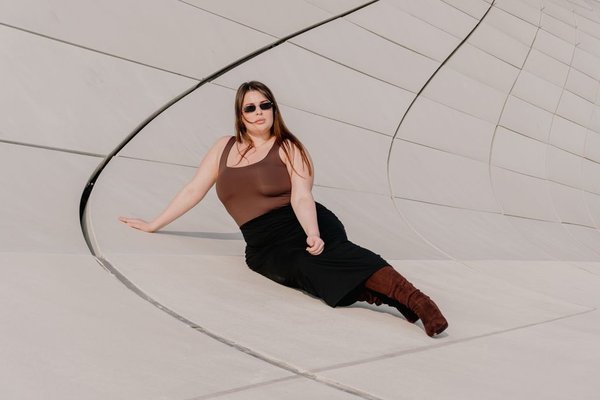
Mini, knee-length, midi and maxi are broad categories, not universal measurements. A midi can end just below the knee on one person and approach the ankle on another. Check where it finishes rather than trusting the product name.
A hem forms a horizontal visual break. If you want to make your legs appear longer, compare a hem above the knee or below the widest part of the calf with one that ends directly across it. Footwear affects the result too: ankle boots, trainers and knee-high boots create different lines.
For a practical example, a shopper who is 5ft 2in might find that a standard-size midi looks closer to a maxi. A petite cut or simple hemming alteration could bring the length back to the intended position. Our guide to petite outfit proportions offers more ideas, but your preferred shoes are the best test.
Waist height, fabric and styling make a difference
A high-rise waistband makes the skirt appear to begin higher, often giving the impression of longer legs. A mid-rise can feel easier over the abdomen and may suit a longer torso. The best waist position stays comfortable and level as you move.
Fabric can change a skirt as much as its pattern. Twill holds structure; fluid viscose drops closer to the body; stretchy jersey follows curves. Check whether pockets flare and whether gathers add unwanted bulk at the waistband. Our guide to choosing clothing fabrics explains why similar-looking garments can hang differently.
Use a simple fitting-room test
Take two cuts or sizes into the changing room. Stand, sit and walk in both, then look at the front and side views. Watch for a twisting waistband, pulling around the hips, a rising hem or pockets that will not lie flat. These signs matter more than the size on the tag.
Frequently asked questions
Is an A-line skirt good for every body shape?
It is a flexible starting point because it offers waist definition and hip room. The amount of flare, fabric stiffness and length determine its final effect.
Can curvy figures wear pencil skirts?
Yes. Focus on a smooth hip fit, a comfortable waistband and enough ease for walking and sitting. Stretch fabric or tailoring can help.
Which skirt length is best for petite women?
There is no single ideal length. Above-knee and shorter midi styles can visually lengthen the legs, but a well-proportioned maxi can work equally well.
Do bias-cut skirts cling to the stomach?
Some do, especially in very light fabrics. A heavier material, suitable lining or different size can create a softer drape.
Choose the silhouette that feels right
The best skirts for different body shapes are the ones that achieve your preferred balance while letting you move comfortably. Start with cut, waist and hem position, then assess fabric and styling. Personal preference should always have the final say.