There’s a specific kind of stress that comes with standing in front of a closet at 7:15 in the morning, half awake, already late, and somehow convinced you have “nothing to wear.” The strange part is that the clothes are all there. The problem usually isn’t a lack of options. It’s decision fatigue.
That’s why outfit planning for busy mornings has quietly become less about fashion and more about mental clarity. When mornings move quickly, even small choices can feel heavier than they should. Picking an outfit may seem minor, but it often sets the emotional tone for the rest of the day.
Some people naturally throw together polished looks in five minutes. Most people don’t. They rely on routines, repeat formulas, and a few practical habits that make getting dressed feel easier instead of exhausting. And honestly, that approach tends to work better in real life than chasing endless style inspiration online.
Why Busy Mornings Make Simple Decisions Feel Hard
Morning routines are usually stacked with tiny responsibilities. Checking messages, making breakfast, finding keys, remembering appointments, responding to someone asking where their shoes are — all of it competes for attention before the day even properly starts.
Clothing decisions happen in the middle of that mental traffic.
Psychologists often talk about decision fatigue, the gradual decline in the quality of choices after making too many small decisions. By the time you’re deciding between three jackets or debating whether a shirt “looks right,” your brain may already be tired.
This is why outfit planning for busy mornings matters more than people sometimes realize. A prepared wardrobe removes unnecessary friction. It creates one less obstacle between waking up and feeling ready for the day.
And surprisingly, it doesn’t require a massive wardrobe or a perfect sense of style.
Building a Closet That Actually Works Together
Many wardrobes become overcrowded because people buy individual pieces instead of complete combinations. A bright blazer looks exciting in a store, but if it doesn’t pair with anything else at home, it becomes a “someday” item that rarely gets worn.
Functional style usually starts with compatibility.
Neutral basics help because they connect easily with multiple items. Black trousers, denim, white shirts, soft knit sweaters, simple jackets, and comfortable shoes create a flexible foundation. That doesn’t mean dressing blandly. It means building a wardrobe where most pieces naturally cooperate.
When clothes coordinate without much effort, mornings become faster automatically.
Some people call this a capsule wardrobe, though the concept doesn’t need strict rules. The real goal is reducing hesitation. If most tops work with most bottoms, outfit planning becomes less of a puzzle.
Texture and fit matter here too. Comfortable clothes that fit well tend to get chosen repeatedly. Items that pinch, wrinkle instantly, or require complicated styling often stay untouched during rushed mornings.
The Quiet Power of Planning the Night Before
It sounds obvious, but laying out clothes the evening before still works remarkably well.
Part of the reason is practical. Another part is emotional. Nighttime decisions are usually calmer than morning decisions. You’re not rushing. You’re not checking the clock every two minutes.
Even spending three minutes choosing tomorrow’s outfit can dramatically change the next morning.
Some people prepare full looks, including shoes and accessories. Others simply decide on the main pieces ahead of time. Either method helps reduce uncertainty.
Interestingly, outfit planning for busy mornings also reduces last-minute emotional dressing. We’ve all had mornings where stress influences clothing choices in strange ways — rejecting every option, changing multiple times, or feeling frustrated before leaving the house. Pre-planning interrupts that cycle.
It creates a smoother start.
Repeating Outfits Is Smarter Than People Admit
There’s still an unnecessary stigma around repeating outfits, especially online where every photo seems to feature something new. But in reality, most stylish people repeat clothing constantly. They just do it confidently.
Uniform dressing exists for a reason.
Think about people who always wear structured blazers, monochrome outfits, relaxed denim, or simple dresses. Their consistency often creates a recognizable personal style. More importantly, it saves time.
Having three to five reliable outfit combinations can completely change rushed mornings. These don’t need to be identical copies. They simply need to work consistently.
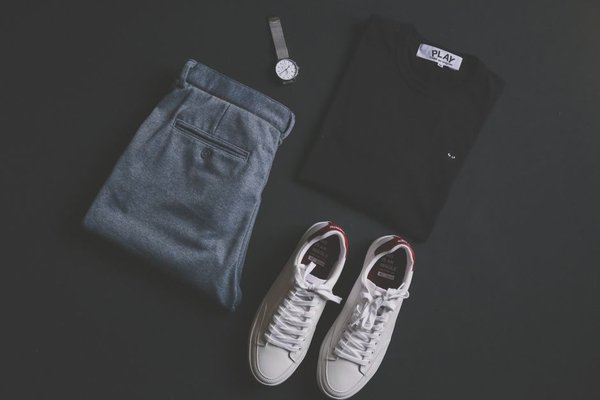
A well-fitted pair of jeans with a tucked-in shirt and sneakers. A midi dress with layered jewelry. Tailored trousers with knitwear. Simple formulas reduce stress because the decisions are already made.
The interesting thing is that familiarity often increases confidence. When you know an outfit works, you spend less time adjusting it throughout the day.
Weather Changes Can Disrupt Everything
One of the biggest problems with morning dressing is unpredictability. Weather changes quickly, and many outfits fail because they’re designed for a single temperature.
Layering solves more problems than people expect.
Light jackets, cardigans, scarves, and breathable fabrics create flexibility without requiring a complete outfit change. Even keeping one dependable outer layer near the door can make mornings easier.
Shoes matter more than people realize too. An outfit that technically looks good but feels uncomfortable during commuting or walking can ruin the day by noon.
That’s why practical outfit planning for busy mornings includes comfort alongside appearance. Real life involves movement, weather shifts, spilled coffee, unexpected meetings, and long afternoons. Clothes should cooperate with daily life rather than fight against it.
Organizing Your Closet to Save Time
Closet organization doesn’t need to look like a perfectly curated social media video. It just needs to reduce confusion.
When clothes disappear into clutter, mornings slow down.
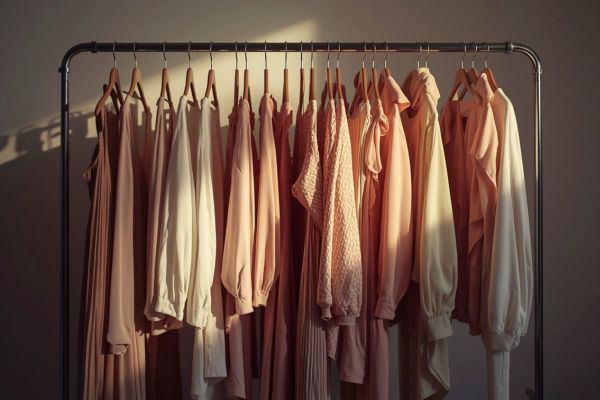
Simple systems work best. Grouping similar items together makes outfit assembly faster because your brain processes options more efficiently. Seeing all trousers in one section or all sweaters together removes unnecessary searching.
Visibility matters too.
If favorite pieces stay hidden in drawers or behind overcrowded racks, people often default to wearing the same emergency outfit repeatedly. Rotating seasonal items and keeping everyday essentials accessible helps prevent that cycle.
Some people even create a small section specifically for “easy outfits” — combinations that are guaranteed to work during hectic mornings. It sounds simple because it is simple, and that’s exactly why it helps.
Accessories Can Simplify a Look Quickly
There’s a misconception that accessorizing requires extra effort. In reality, a few reliable accessories can make simple outfits feel intentional almost instantly.
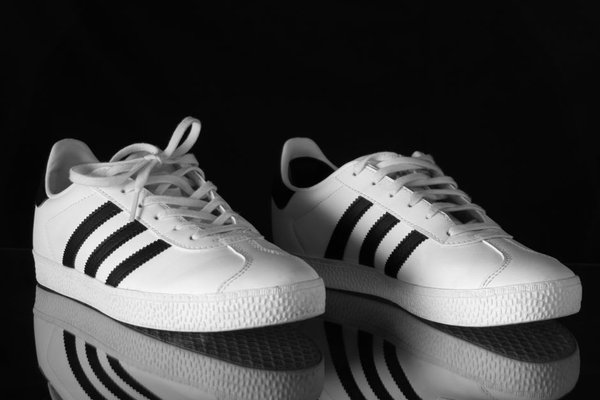
A structured bag, classic watch, layered necklace, or clean sneakers can change the entire mood of an outfit without adding complexity.
This matters because outfit planning for busy mornings often depends on balance. If the clothing itself stays relatively simple, accessories provide personality without increasing decision-making pressure.
The key is consistency. A few dependable pieces worn regularly create cohesion across different outfits.
And honestly, nobody notices repetition as much as we think they do.
Digital Inspiration Can Sometimes Make Things Worse
Style inspiration online can be helpful, but constant exposure to curated fashion content often creates unnecessary dissatisfaction with perfectly functional wardrobes.
Many people stop trusting their own clothing choices because they’re comparing them to heavily styled content created under ideal conditions.
Real mornings aren’t photo shoots.
They involve rushing, weather, fatigue, errands, work, school runs, and forgotten lunches. The purpose of getting dressed isn’t achieving perfection. It’s feeling comfortable, capable, and reasonably confident throughout the day.
Sometimes the most effective outfit is simply the one that allows you to stop thinking about clothes altogether.
That freedom matters more than chasing trends every week.
Creating a Personal Morning Style Formula
Everyone’s routine looks different, so style systems should reflect actual life rather than fantasy versions of it.
Someone working remotely may prioritize comfort and polished basics. A commuter may need layers and durable shoes. Parents often need practicality first. Creative professionals may enjoy expressive combinations, while others prefer simplicity.
There’s no universal formula.
But creating your own predictable structure helps enormously. Maybe your formula is relaxed trousers plus fitted tops. Maybe it’s dresses with sneakers. Maybe it’s monochrome outfits because matching colors feels annoying before coffee.
The best systems are the ones you’ll realistically follow.
And usually, the easiest routines are the ones that survive long term.
Conclusion
Busy mornings rarely leave space for overthinking clothes, yet many people unknowingly spend valuable energy doing exactly that every day. Outfit planning for busy mornings isn’t about becoming overly organized or obsessing over fashion. It’s about making daily life feel a little smoother.
A thoughtfully arranged wardrobe, a few dependable outfit combinations, and small habits like planning ahead can remove unnecessary stress before the day even begins. Over time, those tiny changes create calmer mornings, quicker decisions, and a more consistent sense of confidence.
The goal isn’t perfection. It’s ease.
And sometimes, having one less thing to worry about in the morning makes a bigger difference than expected.