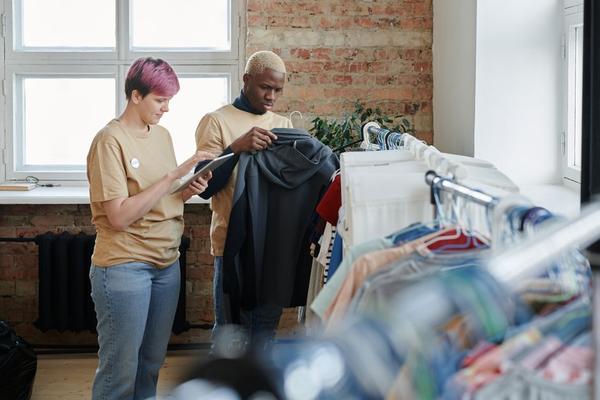
There is something uniquely satisfying about shopping for clothes in a charity shop. Unlike browsing a predictable high-street collection, every rail offers the possibility of an unexpected discovery: a beautifully made wool coat, a nearly new pair of boots, a vintage dress or a designer label hiding between everyday basics.
The best charity shops for clothes in the UK combine affordable prices with constantly changing stock, making them ideal for anyone interested in personal style, lower-cost shopping and a more sustainable wardrobe. They also offer an in-person experience that online resale platforms cannot fully recreate. You can inspect the fabric, check the condition, try pieces on and leave with your purchase immediately.
Whether you are completely new to thrifting UK charity shops or already enjoy searching for secondhand treasures, knowing where and how to shop can make every visit more rewarding.
What Makes a Charity Shop Good for Clothes?
Not every charity shop has the same selection. Some branches dedicate most of their space to clothing, while others focus more heavily on furniture, books or household items. The strongest clothing shops usually have well-organised rails, regular donations, sensible pricing and a good balance of everyday basics and unusual pieces.
Location also influences the stock. Shops in busy city centres may receive trend-led clothing and workwear, while branches in affluent neighbourhoods can be particularly good for premium brands, quality coats and designer accessories. University towns often offer younger styles, occasionwear and affordable casual clothing.
Stock changes constantly, so a quiet shop that appears unremarkable one week may be full of excellent charity shop finds the next. Consistency helps, but timing and patience are equally important.
The Best UK Charity Shop Chains for Clothes
Oxfam
Oxfam is one of the most recognisable names in UK charity shopping and is often a reliable choice for secondhand fashion. Many branches have substantial clothing sections covering womenswear, menswear, shoes and accessories.
The quality and pricing vary between locations, but larger branches can be particularly useful for coats, knitwear, denim and occasionwear. Some Oxfam shops also separate vintage or premium-label pieces, making it easier to identify higher-value items without searching every rail.
British Heart Foundation
British Heart Foundation shops are found across the country, although the clothing selection depends on the type of branch. Its standard charity shops frequently carry practical everyday pieces such as shirts, dresses, trousers, jackets and footwear.
These shops can be a good starting point for people building a secondhand wardrobe on a realistic budget. Look beyond the furniture-focused locations and search for branches that specifically stock fashion, books and smaller donated goods.
Cancer Research UK
Cancer Research UK shops often provide a broad mixture of high-street clothing, accessories and occasional premium pieces. The rails are generally easy to browse, which makes these stores approachable for people who may find thrifting overwhelming.
They can be especially useful for wardrobe staples, including lightweight jackets, simple dresses, workwear and seasonal knitwear. Since donations differ by neighbourhood, visiting several branches can produce very different results.
Sue Ryder
Sue Ryder shops are worth checking for affordable clothing and practical wardrobe additions. Depending on the branch, shoppers may find everything from casual tops and jeans to coats, handbags and formalwear.
Pricing is often accessible, making these shops suitable for experimentation. You can try a different colour, silhouette or vintage-inspired piece without committing the amount you might spend on something new.
TRAID
For shoppers interested in more fashion-led secondhand clothing, TRAID is a strong option where branches are available. Its stores tend to feel closer to curated vintage shops than traditional charity shops, with colourful displays and a wide range of styles.
You may encounter retro sportswear, statement jackets, patterned shirts, denim and pieces from recognisable brands. Prices can be higher than those in smaller local charity shops, but the selection is often more deliberately fashion-focused.
Shelter
Shelter charity shops can be excellent for clothing, particularly in areas where the organisation operates larger or boutique-style branches. The selection may include quality high-street brands, accessories and occasional designer donations.
As with most national chains, the branch matters more than the name alone. A Shelter shop in one town may be modest, while another may become one of your favourite local destinations for secondhand fashion.
Do Not Overlook Local Hospice Shops
National organisations are easy to recognise, but some of the best charity shops for clothes in the UK are independent hospice and community charity shops. These stores often receive regular support from nearby residents and may have less competition from professional resellers.
Local hospice shops can be particularly good for high-quality knitwear, classic British brands, formal dresses, leather bags and well-maintained coats. Prices may also be lower because the shop is not positioned as a specialist vintage destination.
Search beyond the main shopping street. Smaller branches in residential areas, market towns and suburbs can contain excellent stock that has not already been examined by dozens of shoppers.
How to Find Designer and Premium Pieces
Finding designer clothing in a charity shop is possible, but it is rarely as effortless as social media videos suggest. Successful thrifting UK shopping usually involves frequent visits, a willingness to inspect unfamiliar labels and an understanding of garment quality.
Check fabric labels before focusing on brand names. A coat made from wool or cashmere, a silk blouse or a linen dress may be a better purchase than a fashionable label made from lower-quality material. Examine stitching, linings, buttons, zips and seams to judge how well the item was constructed.
Visit shops in areas where residents are likely to donate premium clothing, but do not assume expensive neighbourhoods always offer the best value. Staff may recognise designer labels and price them accordingly. Less obvious locations sometimes provide better bargains.
It is also worth checking handbags, scarves, belts and shoes. Accessories are easier to overlook, yet they often produce some of the most useful and valuable charity shop finds.
Tips for a Better Charity Shopping Trip
Visit Regularly
Charity-shop stock is unpredictable, and the best pieces may sell shortly after reaching the shop floor. Visiting the same shops regularly is usually more effective than planning one large trip every few months.
Shop With a Flexible List
A short list prevents impulse purchases, but it should not be too restrictive. You might enter looking for a black blazer and discover a beautifully cut navy version instead. Focus on the role the item will play in your wardrobe rather than demanding an exact match.
Inspect Everything Carefully
Check for stains, missing buttons, damaged zips, stretched fabric and worn areas. Minor repairs can be worthwhile, but only buy the piece if you are genuinely prepared to fix it. A bargain that remains unworn is not a bargain.
Try Clothes On Whenever Possible
Secondhand sizes are inconsistent, especially when browsing vintage clothing or brands from different decades. Judge the garment by its measurements and fit rather than the number printed on the label.
Building a Sustainable Wardrobe Through Charity Shops
Charity shopping supports a more thoughtful approach to clothing. Buying secondhand extends the useful life of existing garments and reduces the pressure to purchase something newly produced every time your wardrobe needs updating.
However, secondhand fashion is most sustainable when the clothes are actually worn. Low prices can encourage overbuying, so consider each item in relation to what you already own. Can you create several outfits with it? Is it comfortable? Does it suit your real routine rather than an imagined lifestyle?
A smaller collection of carefully selected charity-shop clothing can be more useful than a crowded wardrobe full of random bargains. The aim is not simply to buy secondhand, but to buy with intention.
Frequently Asked Questions
Which charity shops are best for designer clothes?
Boutique charity shops, fashion-focused TRAID branches and shops in affluent neighbourhoods may offer a better chance of finding designer clothing. Local hospice shops can also contain premium pieces at less predictable prices.
What is the best day to visit a charity shop?
There is no universal best day because donation processing and stock rotation vary by branch. Regular weekday visits can be productive, especially earlier in the day when newly displayed items have had fewer shoppers browsing them.
Are charity-shop clothes cleaned before being sold?
Policies vary between organisations and individual donations, so it is sensible to wash or professionally clean secondhand clothing before wearing it. Always follow the care instructions on the garment label.
How can I tell whether a charity-shop item is worth buying?
Consider its condition, fabric, fit and usefulness rather than focusing only on the price or label. A worthwhile purchase should fit your wardrobe, require manageable repairs and be something you expect to wear regularly.
Enjoy the Search, Not Just the Bargain
The best charity shops for clothes in the UK are not always the biggest, most fashionable or most expensive. Often, the most rewarding stores are the ones you visit regularly, where you learn how the rails are organised and begin to recognise when fresh stock has arrived.
Approach each visit with curiosity, inspect pieces carefully and avoid buying purely because something is cheap. With patience, charity shopping can deliver distinctive clothes, better-quality materials and a wardrobe that feels personal rather than copied from the latest high-street display.