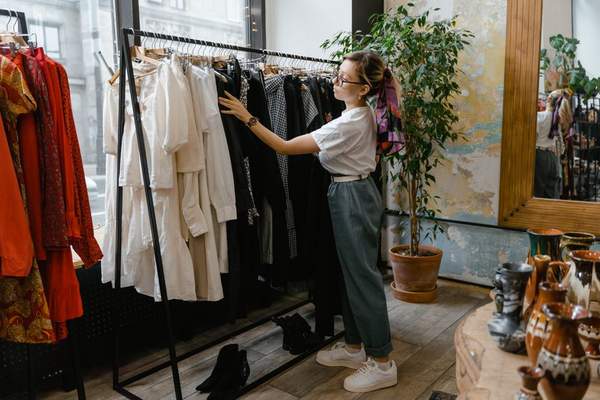
Finding Your Own Style Without Trying Too Hard
Teen fashion advice often sounds like a list of rules, but real style does not work that way. It is not about copying every outfit you see online or wearing only what is considered trendy this month. For teenagers, fashion is more personal than that. It is a way to test ideas, show mood, feel confident, and slowly figure out what feels like “you.”
The teen years are full of change. One season you may love oversized hoodies and sneakers, and a few months later you might be drawn to clean denim, soft knits, or vintage-style jackets. That is normal. Style at this age should feel open and flexible, not fixed. The best fashion choices are usually the ones that make you feel comfortable walking into school, meeting friends, taking photos, or simply moving through the day without feeling like you are pretending to be someone else.
Good fashion does not always mean expensive fashion either. Some of the most stylish teen outfits come from mixing basics, layering pieces creatively, and adding one small detail that feels fresh. A simple white T-shirt can look completely different with wide-leg jeans, a cropped jacket, chunky sneakers, or a soft cardigan. The magic is often in how things are put together.
Comfort Is the Real Starting Point
Before thinking about colors, trends, or accessories, comfort matters. Teen style has to fit real life. It has to work for long school days, weekend plans, family outings, and those casual moments when you still want to look put together without spending too much time getting ready.
Comfort does not mean boring. It means choosing clothes that let you move, sit, walk, and feel relaxed. Oversized shirts, relaxed denim, cargo pants, soft sweatshirts, breathable tops, and easy sneakers are popular for a reason. They look good, but they also feel natural. When clothes are too tight, itchy, stiff, or hard to manage, they can ruin the whole outfit no matter how trendy they look.
One of the best pieces of teen fashion advice is to pay attention to how clothes feel after a few hours, not just how they look in the mirror. A pair of jeans that looks great but feels uncomfortable all day may not become a favorite. A hoodie that fits just right and layers well might become something you reach for again and again.
Building a Wardrobe Around Everyday Basics
A strong teen wardrobe starts with basics. These are the pieces that make getting dressed easier because they match with almost everything. Think plain T-shirts, fitted or oversized tanks, straight-leg jeans, wide-leg pants, simple hoodies, neutral sneakers, casual jackets, and easy button-down shirts.
The point of basics is not to look plain. They create space for personality. A black tee and jeans can look sporty with sneakers, soft with a cardigan, edgy with a leather-style jacket, or polished with clean accessories. Basics give you freedom because they can shift with your mood.
Neutral colors like white, black, grey, beige, navy, and denim blue are easy to wear, but that does not mean your wardrobe should avoid color. A good balance works best. Keep a few reliable neutrals, then add colors that make you feel good. Some teens love pastels, others prefer earthy tones, bright red, forest green, lavender, chocolate brown, or icy blue. Color should feel enjoyable, not forced.
Learning How to Layer
Layering is one of the easiest ways to make an outfit look styled without making it complicated. A plain outfit can feel more interesting when you add a jacket, shirt, vest, cardigan, or hoodie in the right way. Layering also helps with changing weather, which is useful when mornings are cool and afternoons suddenly feel warmer.
A T-shirt under an open flannel shirt has a relaxed, casual feel. A fitted top under an oversized zip-up hoodie feels sporty and effortless. A denim jacket over a simple dress can make the look more wearable for everyday plans. Even a long-sleeve top under a short-sleeve graphic tee can bring back a fun retro mood.
The trick is to avoid too many bulky layers at once. If one piece is oversized, keep another piece more fitted or simple. For example, wide-leg jeans often look balanced with a cropped jacket or a neatly tucked top. An oversized sweatshirt can look better with straight pants, leggings, or a cleaner bottom shape. Balance keeps the outfit from feeling messy.
Trends Are Fun, But They Should Not Control You
Teen fashion is strongly influenced by social media, celebrities, music, school culture, and street style. Trends move fast. One week everyone is talking about ballet flats, and the next week it is baggy jeans, sporty jackets, charm necklaces, mini bags, or vintage graphics. It can be exciting, but it can also feel overwhelming.
The healthiest way to approach trends is to treat them like inspiration, not instructions. You do not need to wear every trend to look stylish. In fact, personal style often becomes stronger when you choose only the trends that suit your body, lifestyle, and personality.
If a trend feels uncomfortable, skip it. If it looks good on someone else but does not feel like you, that is completely fine. Fashion becomes more enjoyable when you stop dressing only for approval. Try a trend in a small way first. Maybe you test a color, a new shoe shape, a different jean fit, or a fun accessory before changing your whole wardrobe.
Dressing for School Without Losing Personality
School outfits usually need to be practical, but they can still show style. Many teens want to look good without appearing like they spent too much time planning the outfit. That effortless balance is possible with simple combinations.
A good school outfit often starts with one comfortable main piece. It could be jeans, cargos, a skirt, joggers, or relaxed trousers. Then add a top that feels easy, like a graphic tee, ribbed shirt, sweater, or hoodie. Shoes should be comfortable enough for walking around all day. Accessories can finish the look without making it too much.
Backpacks, hair clips, watches, bracelets, simple rings, and caps can add personality. Small details matter more than people think. Even the way you tuck in a shirt, roll up sleeves, or match your socks with your shoes can make an outfit feel more intentional.
Understanding Fit and Shape
Fit is one of the biggest parts of style, and it is often more important than the brand or price of an item. Clothes do not need to be tight to fit well. Fit simply means the piece works with your body and gives the shape you want.
Some teens love oversized fits because they feel relaxed and confident. Others prefer more structured clothing. Both can look great. The key is learning proportion. If everything is oversized from top to bottom, the outfit can sometimes lose shape. If everything is fitted, it may feel too formal or uncomfortable. Mixing shapes usually creates the best result.
For example, an oversized sweater with a shorter skirt can look balanced. Baggy jeans with a fitted top can feel modern and easy. A loose button-down over a tank top creates a casual layered look. Trying different shapes in front of the mirror helps you understand what feels right for you.
Accessories Can Change the Whole Mood
Accessories are powerful because they let you refresh outfits without buying a lot of new clothes. A basic outfit can shift completely with the right accessories. A simple jeans-and-tee look becomes sporty with a cap and sneakers, softer with a tote bag and delicate jewelry, or more street-style inspired with chunky shoes and layered chains.
For teen fashion, accessories should feel natural and easy. You do not need too many at once. A few favorite pieces are enough. Maybe it is a necklace you wear often, a watch, a belt, a scrunchie, a crossbody bag, or sunglasses. These little details help create a signature look.
Shoes also count as a major part of the outfit. Sneakers remain a teen wardrobe favorite because they work with almost everything, but boots, flats, loafers, and sandals can all bring different energy. The same outfit can look casual, polished, playful, or edgy depending on the shoes.
Being Stylish on a Budget
Fashion can get expensive, especially when trends keep changing. But great style does not require a huge budget. In many cases, having fewer pieces that you actually wear is better than having a closet full of clothes that do not match anything.
The smartest approach is to buy pieces that can be styled in more than one way. A good pair of jeans, a neutral hoodie, a clean jacket, a few solid tops, and comfortable shoes can create many outfits. Thrift stores, seasonal sales, clothing swaps with friends, and reworking older clothes can also make fashion more creative.
Sometimes styling what you already own is more satisfying than buying something new. A shirt can be tied, tucked, layered, or worn open. Jeans can be cuffed. A dress can be styled with sneakers for casual days or with a jacket for a different feel. Fashion becomes more personal when you experiment.
Confidence Makes the Outfit Work
The most useful teen fashion advice is simple: wear clothes in a way that makes you feel like yourself. Confidence does not mean being loud or perfect. It means feeling comfortable enough to enjoy your day without constantly adjusting your outfit or worrying about what everyone thinks.
There will always be someone with a different opinion. Some people like minimal outfits. Others love bold colors and statement pieces. Some prefer sporty style, while others enjoy soft, vintage, edgy, or preppy looks. None of these choices are wrong. Teen fashion is not about fitting into one category. It is about exploring.
Your style may change many times, and that is part of the fun. What matters is learning what makes you feel good, what suits your routine, and what helps you express yourself without pressure.
Conclusion
Teen fashion advice should never feel like a strict rulebook. The best style grows through trying things, making small changes, and paying attention to what feels comfortable, natural, and expressive. Trends can be exciting, but they are only useful when they fit your personality and your life. Basics, layering, good fit, thoughtful accessories, and confidence all play a part in building a wardrobe that feels real.
Teen fashion is really about discovery. Some outfits will work beautifully, others may not, and that is completely normal. Every experiment teaches you something about your taste. In the end, the most stylish teens are not always the ones wearing the newest trend. They are the ones who wear their choices with ease, curiosity, and a clear sense of themselves.