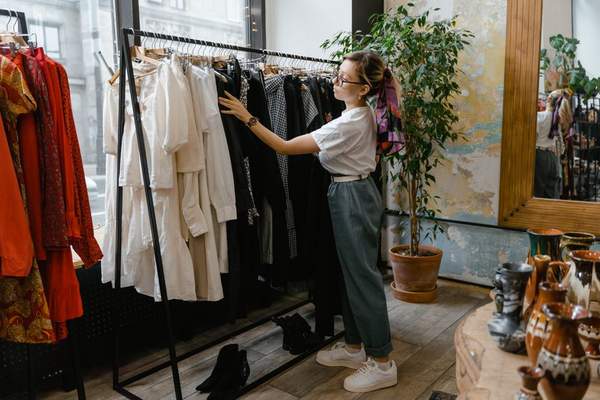
Launching a fashion brand often begins with a creative idea rather than a large bank balance. A designer may have sketches, fabric samples, a clear aesthetic, and an audience in mind, yet turning those early ideas into finished products requires money. Materials must be purchased, samples developed, manufacturers paid, photographs taken, and packaging prepared long before customers place their first orders.
This financial reality can make the early stages feel overwhelming. Fashion businesses are especially demanding because cash is often tied up in inventory, production schedules, and seasonal collections. The right funding method can provide breathing room, but the wrong one may create pressure before the brand has found its footing.
Understanding the available fashion startup funding options helps founders choose an approach that matches their ambitions, resources, and willingness to share control.
Why Fashion Startups Need Careful Financial Planning
Fashion looks glamorous from the outside, but its financial structure can be surprisingly complicated. Even a small collection may require several rounds of sampling before the fit, fabric, color, and construction feel right. Manufacturers usually have minimum order quantities, which means a founder may need to purchase more units than the brand can immediately sell.
There are also expenses that are easy to underestimate. Website development, garment labels, shipping materials, customs fees, returns, product photography, and marketing content can quickly stretch an early budget.
Before seeking funding, founders should calculate how much money they genuinely need and what it will be used for. Asking for too little may lead to production delays. Raising too much, especially from investors, could mean giving away more ownership than necessary.
A realistic budget should cover product development, production, operating expenses, and a reasonable emergency reserve. Fashion rarely moves exactly according to plan, so some financial flexibility matters.
Self-Funding Offers Control and Simplicity
Many independent fashion labels begin through self-funding, also known as bootstrapping. The founder uses personal savings, employment income, or profits from freelance work to finance the early stages.
The biggest advantage is control. There are no investors influencing creative choices, no loan repayments, and no complicated funding agreements. The founder can move at a comfortable pace and make decisions based on the brand’s identity rather than outside expectations.
However, self-funding comes with obvious limitations. Personal savings may only cover a small production run, and using too much of one’s own money can create serious financial stress. Founders should avoid risking funds needed for rent, household expenses, healthcare, or emergencies.
Bootstrapping tends to work best when the brand can start small. A limited capsule collection, made-to-order model, or carefully tested product range may allow the business to grow without requiring a large upfront investment.
Friends and Family Funding Can Support an Early Launch
Some founders turn to relatives or close friends when personal savings are not enough. This type of support may be offered as a gift, a loan, or an investment in exchange for a small ownership stake.
Friends and family funding can be faster and more flexible than traditional finance. People who already trust the founder may be willing to support an idea before it has sales figures or a long business history.
Still, informal arrangements can become uncomfortable when expectations are unclear. A family member may believe repayment will happen within a few months, while the founder assumes there is no strict deadline. Another person may expect involvement in business decisions simply because they contributed money.
Even when trust is strong, the agreement should be written down. It needs to explain whether the money is a loan or investment, when repayment is expected, and whether the contributor receives any ownership or decision-making rights. Clear terms protect both the business and the personal relationship.
Crowdfunding Helps Test Customer Demand
Crowdfunding has become one of the most practical fashion startup funding options for brands with a strong concept and an engaging story. A founder presents the collection on a crowdfunding platform and invites customers to place early orders or contribute toward production.
This method does more than raise money. It can also test whether people genuinely want the product. Positive comments and social media likes may feel encouraging, but actual preorders provide much stronger evidence of market demand.
A successful campaign requires preparation. Founders usually need polished prototypes, quality photographs, clear pricing, realistic delivery dates, and a convincing explanation of what makes the collection different. Production costs must also be calculated carefully because unexpected shipping or manufacturing expenses can reduce the funds available.
Crowdfunding works particularly well for distinctive products, sustainable materials, adaptive clothing, technical apparel, or designs connected to a clear social or cultural story. However, founders must be prepared to deliver what they promise. Delays can damage customer trust before the brand has officially launched.
Preorders Can Finance Production More Directly
A preorder model is similar to crowdfunding but may be managed through the brand’s own website rather than an external platform. Customers order and pay for an item before it is manufactured or ready to ship.
For fashion startups, this can reduce the risk of producing unwanted inventory. Instead of guessing which sizes, colors, or styles will sell, the founder receives useful demand data before placing the final manufacturing order.
Preorders also suit small brands that want to avoid overproduction. The business can manufacture closer to actual demand, which may reduce waste and storage costs.
The difficulty lies in timing. Customers must understand that they are not buying an immediately available product. Production and delivery estimates should be honest, with enough room for possible manufacturing delays. Regular communication is essential, especially when customers are waiting several weeks or months.
Small Business Loans Preserve Ownership
Business loans allow founders to raise capital without giving away part of the company. The money may come from a bank, credit union, online lender, or small business finance program.
Loans can help cover equipment, inventory, manufacturing deposits, studio rent, or other clearly defined expenses. They may be useful for founders who already have sales, a reliable business plan, and a realistic repayment strategy.
The challenge is that early fashion businesses often lack the financial history traditional lenders prefer. A lender may ask for collateral, a personal guarantee, or evidence of consistent revenue. Interest payments also begin regardless of whether a collection sells quickly.
Borrowing should therefore be approached cautiously. A loan may be sensible when the funds are connected to predictable revenue, such as fulfilling confirmed wholesale orders. It becomes riskier when the money is used to produce a large speculative collection with uncertain demand.
Grants Provide Funding Without Repayment
Grants are especially appealing because they generally do not need to be repaid. Fashion entrepreneurs may find opportunities through government programs, arts organizations, sustainability initiatives, universities, design competitions, or local business development groups.
Some grants focus on particular goals, such as environmentally responsible manufacturing, women-led businesses, young entrepreneurs, textile innovation, or regional job creation. Others support creative development, export preparation, or digital transformation.
Competition can be intense, and applications often require detailed budgets, timelines, and explanations of how the funds will be used. Grant money may also come with restrictions, meaning it cannot always be spent freely.
Although grants should not be treated as a guaranteed source of capital, they are worth researching. Even a modest award can fund sampling, machinery, professional photography, or participation in a trade event without adding debt.
Angel Investors Can Bring Money and Experience
Angel investors are individuals who invest their own money in early-stage businesses. In exchange, they normally receive equity, meaning a percentage of ownership.
For a fashion startup, the value of an angel investor may extend beyond the money. An investor with experience in retail, manufacturing, technology, or consumer goods may provide useful introductions and strategic advice.
However, accepting investment changes the structure of the business. The founder is no longer making every decision alone. Investors may expect regular updates, ambitious growth, and a clear path toward increasing the company’s value.
Angel funding is usually more suitable for brands with significant growth potential. A small independent label designed to remain intentionally limited may not fit the expectations of equity investors. Founders should consider whether rapid expansion is truly part of their vision before giving away ownership.
Venture Capital Is Designed for Rapid Growth
Venture capital firms invest in companies they believe can grow quickly and eventually produce substantial returns. Traditional fashion labels may find venture funding difficult to secure because inventory-heavy businesses can scale slowly.
Still, some fashion-related startups attract venture capital when they combine apparel with technology, innovative materials, resale platforms, personalization systems, or new retail models.
Venture capital can provide access to large amounts of money, professional networks, and experienced advisors. It also brings intense expectations. Investors may push for aggressive expansion, larger teams, international distribution, and faster revenue growth.
For most small fashion brands, venture capital is neither necessary nor appropriate. It is better suited to companies built around a scalable model rather than a designer’s personal creative practice.
Strategic Partnerships Can Reduce Financial Pressure
Not every funding solution involves receiving cash. A strategic partnership may help a fashion startup reduce costs or access resources that would otherwise require major investment.
A manufacturer might agree to smaller minimum orders in exchange for a longer-term relationship. A photographer may work at a reduced rate for portfolio credit. A retailer could finance part of a production run by placing an advance wholesale order.
These arrangements require mutual benefit and clear expectations. Founders should avoid relying too heavily on unpaid favors, but thoughtful partnerships can make limited resources go further. In fashion, relationships often become as valuable as money itself.
Choosing Funding That Fits the Brand
There is no single best way to finance a fashion company. The right choice depends on the size of the collection, the founder’s financial position, the speed of planned growth, and the amount of control they want to keep.
A made-to-order label may grow successfully through personal savings and preorders. A brand with confirmed retail demand might use a small business loan. A technology-driven fashion platform may need angel investment or venture capital.
Founders can also combine several approaches. Personal funds may cover sampling, crowdfunding may finance the first production run, and later profits may support gradual expansion.
Building a Financial Foundation That Lasts
Exploring fashion startup funding options is not simply about finding the largest available amount of money. It is about choosing capital that supports the brand without placing unnecessary strain on its future.
Every funding source carries a cost. Loans require repayment, investors receive ownership, crowdfunding creates delivery obligations, and self-funding puts personal money at risk. Understanding those trade-offs allows founders to make calmer, more deliberate decisions.
Fashion brands rarely become stable overnight. Many grow collection by collection, customer by customer, learning from each production cycle. With realistic budgeting, careful testing, and funding that matches the business model, a promising creative idea can develop into a financially sustainable brand without losing the character that made it worth starting.