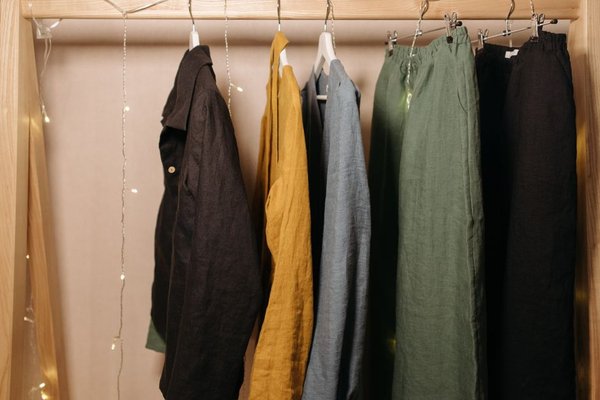
Linen is one of the easiest fabrics to reach for when the weather turns warm, but it comes with a reputation: the moment you sit down, drive somewhere, or carry a bag, it starts to crease. The good news is that linen does not need to look perfectly pressed to look polished. Its relaxed texture is part of the appeal. The trick is learning how to wear linen clothing so it looks intentional rather than rumpled, then caring for it so deep creases do not take over.
A polished linen outfit usually comes down to three things: choosing the right weight and fit, combining linen with sharper pieces, and dealing with wrinkles before they become stubborn. With a few practical habits, linen can work for office days, holidays, and everyday summer outfits without looking freshly unpacked.
Choose Linen That Holds Its Shape
Not all linen behaves in the same way. Very lightweight linen feels airy, but it tends to show creases quickly. Midweight linen, linen-cotton blends, and lined linen garments usually hold a cleaner shape, making them useful when you want a smarter appearance.
Fit matters too. Linen trousers that are very tight across the hips or knees form sharp creases wherever the fabric is under tension. A slightly relaxed straight-leg or wide-leg cut lets the fibres move more naturally. The same applies to shirts and dresses: a little ease often looks more refined than a close fit that becomes heavily wrinkled with movement.
When shopping, gently scrunch a small section of fabric in your hand for a few seconds and release it. If it immediately forms hard, deep folds, expect noticeable creasing. If the marks soften quickly, the garment should be easier to manage.
Balance Linen With Structured Pieces
One of the simplest ways to make linen look deliberate is to pair it with something structured. A linen shirt can look crisp with tailored trousers or dark straight-leg jeans. Linen trousers feel smarter with a fitted cotton top, leather belt, and clean loafers. A loose linen dress can be sharpened with a structured handbag, simple jewellery, and neat sandals.
This contrast is especially useful for summer linen outfits. If every piece is oversized, soft, pale, and creased, the outfit can look untidy. If one or two elements have defined lines, the natural texture of linen reads as relaxed styling rather than poor garment care.
Natural internal-link opportunities here include summer capsule wardrobe, how to care for natural fabrics, and choosing breathable fabrics for hot weather.
Steam or Press Linen Before You Dress
Starting the day with deep storage creases makes linen harder to keep polished. A handheld steamer is often the quickest option because steam relaxes the fibres without flattening every trace of texture. Hang the garment, work from top to bottom, and allow it to cool and dry before putting it on.
If you prefer an iron, check the care label first. Pure linen often tolerates a relatively hot iron, but blends, trims, linings, or special finishes may need a lower temperature. Ironing while the fabric is slightly damp can help remove stubborn folds. Turning dark linen inside out can also reduce the risk of shiny pressed areas.
Reduce Creasing During the Day
You cannot stop linen from wrinkling completely, and trying to do so misses the character of the fabric. You can, however, avoid the heavy creases that make an outfit look neglected.
Before sitting, gently smooth trousers, skirts, or dresses underneath you rather than sitting on bunched fabric. Avoid overfilling pockets, because phones, keys, and wallets can distort linen and create localised folds. A tight crossbody strap can also repeatedly crush the same area of a shirt or dress.
For a summer workday, steam a midweight linen shirt in the morning, pair it with tailored trousers, and leave the shirt slightly relaxed rather than tightly tucked. When you reach your desk, smooth the back before sitting. By lunchtime there will still be natural movement lines, but far fewer deep, scrunched creases.
Choose Colours and Textures That Hide Wrinkles
Creases are often more obvious on smooth, very light-coloured linen, especially bright white or pale beige. Mid-tones, textured weaves, stripes, and subtle patterns can disguise wrinkles more effectively.
Navy, olive, rust, soft blue, and deeper neutrals are useful if you love linen but dislike visible creasing. Slub textures also make folds blend naturally into the surface. A useful linen fabric guide should therefore consider more than fibre content: weave, colour, thickness, and finish all affect how polished the garment looks after several hours.
Wash and Dry Linen Carefully
Good linen care tips start with the garment label, because pure linen and linen blends may have different instructions. Gentle washing, moderate spin speeds, and avoiding an overloaded machine help prevent garments from twisting into hard folds.
Over-drying can make linen harder to press. If the care label allows machine drying, remove the garment while it is still slightly damp instead of leaving it until it feels hot and bone-dry. Air-drying on a wide hanger can help the fabric settle into shape. Smooth seams, collars, cuffs, and hems by hand before the garment fully dries.
Store Linen So It Is Ready to Wear
Hang linen shirts, dresses, jackets, and trousers when possible, leaving enough space so they are not crushed between heavier clothes. Fold pieces that may stretch on a hanger. When travelling, unpack linen promptly and hang it up; a garment steamer is the most reliable way to soften packing creases before wearing.
FAQ
Is linen supposed to look wrinkled?
Yes. Some wrinkling is a normal feature of linen because flax fibres have limited elasticity. Soft creases give linen its relaxed character. The aim is usually to avoid deep, crushed folds rather than keep the fabric perfectly smooth all day.
How can I make a linen outfit look more formal?
Choose a midweight garment with a clean cut, steam it before wearing, and combine it with structured pieces. Tailored trousers, a leather belt, polished shoes, simple jewellery, or a neat jacket can make linen suitable for smarter settings.
Does linen crease less after washing?
Linen often becomes softer with repeated washing and wear, which can make its wrinkles look less stiff and more natural. It will not become wrinkle-free, however, and washing and drying methods still affect how deeply it creases.
Should I iron linen or leave it natural?
Either approach can work. For casual wear, soft natural creases are part of the look. For work or events, steaming or ironing before dressing gives a cleaner starting point. Always follow the garment care label, especially for blends and lined pieces.
Keep Linen Polished Without Fighting the Fabric
The best way to wear linen is not to demand that it behaves like a wrinkle-resistant synthetic fabric. Start with a good cut and suitable weight, remove deep creases before dressing, then let smaller movement lines develop naturally. Pairing linen with structured accessories and smoother fabrics keeps the overall look considered, while thoughtful washing, drying, and storage make each piece easier to wear next time. Once light wrinkling is treated as texture rather than a flaw, linen becomes one of the most practical and elegant fabrics for warm-weather dressing.