Finding the right fashion manufacturer can feel like one of those behind-the-scenes parts of the industry that everyone talks about, but few people explain clearly. A beautiful sketch, a strong fabric idea, or a well-shaped sample only becomes real when the production partner understands the details. That is why learning how to find fashion manufacturers is such an important step for anyone trying to bring clothing, accessories, or textile-based products into the world.
The process is not only about searching names online and asking for prices. It is about understanding your product, knowing what kind of factory you need, and slowly building trust with people who may be handling the most delicate part of your fashion project.
Start With a Clear Product Idea
Before looking for manufacturers, it helps to slow down and define what you actually want made. Fashion manufacturing is not one single category. A factory that makes cotton T-shirts may not be suitable for structured blazers. A denim specialist may not be the right fit for silk dresses. Even within the same category, different manufacturers work with different finishes, quantities, fabrics, and levels of detail.
A clear product idea usually includes the garment type, fabric preference, sizing plan, trims, stitching details, color options, and expected quality level. You do not need everything perfect at the beginning, but the more prepared you are, the easier it becomes to speak with manufacturers in a serious way.
This is where a simple tech pack becomes useful. A tech pack is a document that explains the design, measurements, materials, labels, stitching, and construction notes. It gives the manufacturer a shared reference point. Without it, conversations can become vague quickly, and vague conversations often lead to disappointing samples.
Understand the Type of Manufacturer You Need
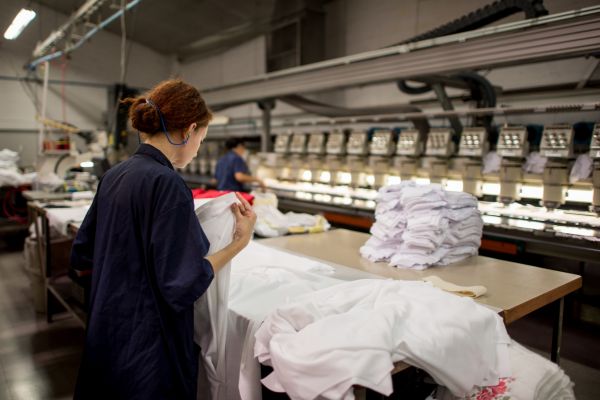
Fashion manufacturers work in different ways. Some focus on small-batch production, while others only accept large minimum orders. Some offer full-package production, meaning they help with sourcing fabric, pattern making, sampling, and final production. Others are cut-make-trim factories, where you provide most of the materials and technical direction.
Small-batch manufacturers are often useful for new labels, independent designers, capsule collections, and limited seasonal pieces. They may cost more per unit, but they allow more flexibility. Larger factories may offer better unit pricing, yet they often require higher quantities and more polished production planning.
There are also local manufacturers and overseas manufacturers. Local production can make communication, sampling, and quality checks easier. Overseas production can offer access to wider fabric markets, specialized skills, and different pricing structures. Neither option is automatically better. The right choice depends on your product, timeline, budget, and how much control you want during development.
Search in the Right Places
The search usually begins online, but not every useful manufacturer appears at the top of search results. Trade directories, industry marketplaces, fashion sourcing platforms, LinkedIn, textile trade shows, and fashion communities can all help. Some designers also find manufacturers through fabric suppliers, pattern makers, local fashion schools, or other people working in the industry.
Search terms should be specific. Instead of only typing “clothing manufacturer,” try searching by product and location, such as “small batch swimwear manufacturer,” “denim garment factory,” or “women’s wear manufacturer in Portugal.” The more specific the search, the better the results tend to become.
Trade shows can also be valuable because they allow face-to-face conversations. You can touch samples, ask direct questions, and get a sense of how the manufacturer communicates. Even if you do not commit to anyone immediately, these events help you understand what professional production conversations sound like.
Look Beyond the Lowest Price
Price matters, of course. But choosing a manufacturer only because they offer the lowest quote can be risky. In fashion, low prices may sometimes mean rushed stitching, poor fabric handling, weak quality control, or hidden costs later in the process.
A reliable manufacturer should be able to explain what is included in the quote. Ask whether the price covers sampling, pattern adjustments, fabric sourcing, trims, labels, packaging, grading, and quality checks. Sometimes one quote looks cheaper because important parts are missing.
It is better to compare value, not just cost. A slightly higher price may be worth it if the manufacturer communicates clearly, understands the product, delivers consistent samples, and takes quality seriously. Fashion production has many small details, and those details are where reliability shows.
Ask Practical Questions Early
Once you find potential manufacturers, the first conversation should be practical and direct. Ask about their product specialties, minimum order quantity, sample costs, production lead times, fabric sourcing options, payment terms, and experience with similar garments.
It is also helpful to ask how they handle quality control and revisions. Mistakes can happen in production, even with skilled teams. What matters is whether the manufacturer has a clear process for catching and correcting them.
Communication style is important too. If a manufacturer gives unclear answers before production starts, that may become a bigger issue later. You want someone who responds with enough detail, asks thoughtful questions, and is honest about what they can and cannot do.
Review Samples Carefully
Sampling is where the conversation becomes real. A sample shows whether the manufacturer understands your design, your measurements, your chosen fabric, and your expected finish. It also reveals how they handle stitching, seams, fit, labels, trims, pressing, and small construction details.
Do not rush through this stage. Try the sample on a model or fit form if possible. Check the inside of the garment, not just the outside. Look at thread tension, lining, hems, closures, fabric behavior, and comfort. Sometimes a garment looks fine on a hanger but feels wrong when worn.
A first sample is rarely perfect, and that is normal. What matters is how the manufacturer responds to feedback. A reliable team will understand revisions and make improvements carefully. If they dismiss clear concerns or repeat the same mistakes, that is a warning sign.
Check Experience and References
Manufacturers do not need to have worked with famous brands to be reliable, but they should have relevant experience. Ask to see examples of previous work in your category. If you are making activewear, look for evidence that they understand stretch, recovery, seams, and performance fabrics. If you are making formalwear, construction and finishing matter even more.
References can help, especially if you are placing a meaningful order. Speaking with another designer or client may reveal how the manufacturer handles deadlines, quality issues, and communication during production. If references are not available, ask more detailed questions and start with a smaller test order before committing to larger quantities.
Pay Attention to Minimum Order Quantities
Minimum order quantity, often called MOQ, can shape your entire production plan. Some factories may require hundreds or thousands of pieces per style, while others accept smaller runs. The MOQ may also vary by fabric, color, size range, or trim.
It is important to understand whether the MOQ applies to one design, one color, or the full order. For example, a factory may accept 300 pieces, but only if they are all in one fabric and color. That detail can make a big difference when planning a collection.
For newer projects, small-batch production can be a safer way to test fit, demand, and customer response. Large quantities can reduce unit costs, but they also increase risk if the product needs changes later.
Consider Location and Communication
Location affects shipping, duties, production visits, time zones, and communication speed. Working with a manufacturer nearby may make sample reviews easier. You can visit the facility, inspect production, and solve issues faster. This can be especially useful for detailed garments or early-stage development.
Overseas manufacturing can still work very well, but it requires stronger documentation. Clear tech packs, written approvals, size charts, fabric references, and sample notes become even more important when you cannot easily visit the factory.
Language differences do not have to be a problem, but unclear communication can be. Keep written records of decisions, approvals, prices, timelines, and changes. Fashion production has too many details to rely on memory alone.
Watch for Warning Signs
Some warning signs are easy to spot. A manufacturer who refuses to answer basic questions, avoids written agreements, offers unusually low prices, or pressures you to place a large order immediately may not be the best choice.
Other signs are more subtle. Slow replies during the early stage may suggest delays later. Poorly finished samples may show a lack of attention. Confusing pricing may lead to extra charges. A manufacturer who says yes to everything may not be more helpful than one who honestly explains limits.
Reliable production partners are usually realistic. They will tell you if a fabric is unsuitable, if a construction detail will raise costs, or if a deadline is too tight. That honesty is valuable.
Build the Relationship Gradually
Finding a fashion manufacturer is not usually a one-step decision. It is closer to building a working relationship. Start with research, move into conversations, test with samples, and then consider a small order before scaling up.
Good manufacturers appreciate prepared clients. When you provide clear details, respond quickly, approve samples carefully, and respect production timelines, the relationship becomes smoother. Fashion manufacturing works best when both sides understand the importance of precision.
Final Thoughts
Learning how to find reliable fashion manufacturers takes patience, but it becomes easier once you know what to look for. The right manufacturer is not simply the cheapest or the fastest. It is the one that understands your product, communicates clearly, respects quality, and can grow with the needs of the collection.
Fashion often looks effortless from the outside, but production is built on decisions, details, and trust. When you take the time to research properly, ask better questions, and test the relationship through samples, you give your ideas a much stronger chance of becoming garments that feel as good in real life as they did in your imagination.